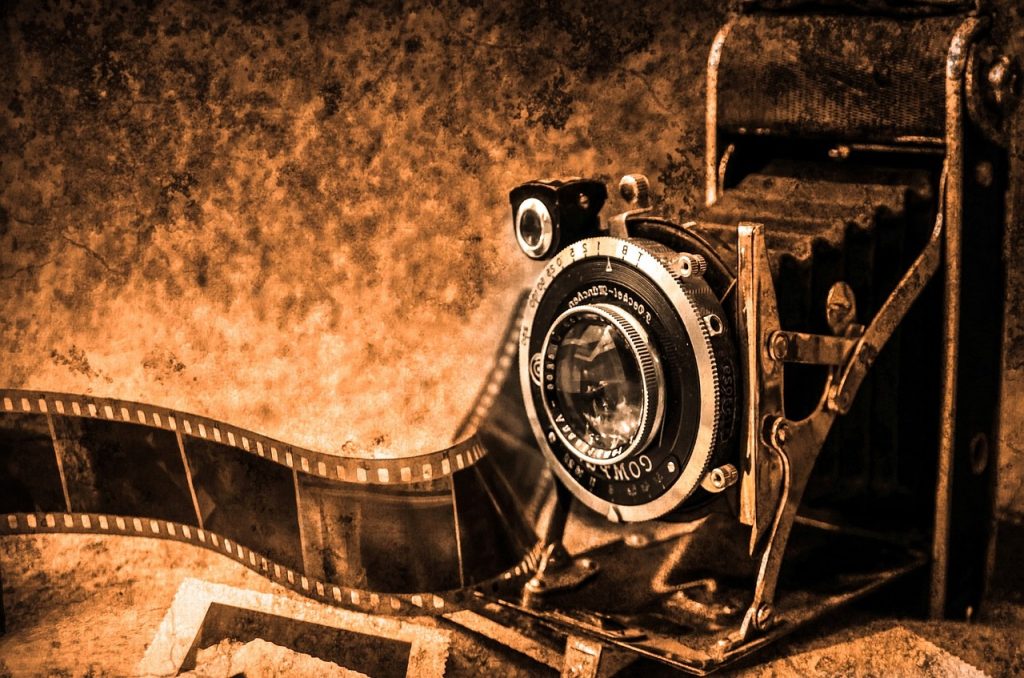
I know it’s hard. Hard to resist. Every other month, there’s a shiny new camera on the market, tempting us with promises of better, faster, sharper. Improved this, improved that. They tease us with sleek ads, toss around numbers like “50 megapixels” or “8K resolution,” and before we know it, we’re questioning our perfectly capable gear. The cameras we saved up for so long and spent so much precious time studying and reading and comparing all the features. The struggle before we finally decided and chose this one and only this one, the right one. It’s a clever game they play, isn’t it? Feeding that little voice in the back of our heads: If I just had that new camera, my photos would be amazing.
Chasing the Next Big Thing
Let’s be honest—we’ve all fallen for it at some point. The belief that better (and more expensive) gear will magically elevate our photography to the next level is almost universal. But here’s the thing: it’s a myth. A marketing myth designed to empty our wallets, not necessarily to make us better photographers.
Don’t get me wrong; gear can matter. But megapixels? Not as much as they’d have you believe. Most of us aren’t printing billboard-sized images or zooming in on every pore for forensic photography. And yet, we find ourselves chasing numbers—thinking that the next big upgrade will somehow unlock our hidden potential.
Let’s pause for a moment and think back. Remember the early days of digital photography? Photographers created breathtaking images with cameras that had gasp four or six megapixels. They weren’t worried about pixel counts. They were focused on storytelling, composition, and capturing emotion—the things that truly make a photo great. If they could do it then, why can’t we now?
So, before you start eyeing that “game-changing” camera upgrade, let’s take a closer look at the megapixel myth. By the end of this, you might just feel a little lighter—and maybe even more inspired to pick up the camera you already have and create something extraordinary.
The Reality of Megapixels
At its core, a megapixel is just a unit of measurement—one million pixels that make up the resolution of a photo. It sounds impressive, sure, but the truth is that more megapixels don’t automatically translate to better photos. In fact, once you hit a certain threshold (about 12-16 megapixels for most purposes), additional megapixels become more about marketing than meaningful improvement.
Here’s why: higher megapixels mean larger image files, which can slow down your workflow and eat up storage space. They also demand more from your lenses and editing software, often revealing flaws in gear that previously went unnoticed. And unless you’re regularly printing large-scale photos or cropping extensively, you’re unlikely to notice any practical benefit from all those extra pixels.
What truly makes a photo great has little to do with resolution. Instead, it’s about factors like lighting, composition, timing, and emotion. These elements can’t be quantified in megapixels, no matter how advanced your camera is. A compelling story, an unexpected moment, or a beautifully framed shot will always outshine technical specs.
The Early Digital Masters
Back in the early days of digital photography, there weren’t any 50-megapixel cameras or 8K resolutions. Yet, photographers were still creating extraordinary work. Think about the photojournalists, nature photographers, and artists who defined an era with their images. They captured powerful stories, won prestigious awards, and built lasting careers with cameras that had a mere four or six megapixels.
Consider the winners of World Press Photo competitions from the early 2000s. Their images weren’t about technical perfection; they were about humanity, grit, and creativity. These photographers understood something timeless: it’s not about how many pixels you have, but how you use them. They proved that skill, vision, and passion are what truly matter.
Even today, some photographers deliberately use older, low-resolution cameras to strip away distractions and focus on the essence of their craft. Some of them are even rediscovering large-format cameras, embracing their deliberate and methodical nature as a counterbalance to the rapid pace of modern photography. These tools remind us that constraints can drive creativity. After all, a great photograph doesn’t come from the camera—it comes from the person behind it.
So next time you find yourself lusting after the latest high-tech marvel, remember this: the masters of the early digital age didn’t need endless megapixels to create work that moved the world. Neither do you.
Marketing Hype vs. Practical Needs
Every new camera release comes with a wave of glossy advertisements and bold promises. Words like “revolutionary” and “unprecedented” get thrown around, and it’s easy to get caught up in the excitement. But let’s be honest: how many of these features do we actually need?
For most photographers, ultra-high megapixel counts are overkill. Unless you’re printing billboard-sized images or need extreme detail for scientific purposes, the extra resolution goes to waste. The reality is that most of us are sharing our work online or printing modest-sized photos—tasks that a 12- or 16-megapixel camera can handle beautifully.
Then there’s the question of file size. Higher resolution means larger files, which can slow down your editing workflow and fill up your storage faster. Do you really want to spend more on hard drives, cloud storage, and high-end computers just to keep up with your “upgraded” gear?
Let’s not forget the lenses. A camera with a massive megapixel count demands top-notch optics to take full advantage of the resolution. If your lenses aren’t up to the task, those extra megapixels won’t make much difference. In some cases, they might even highlight imperfections you never noticed before.
It’s worth asking yourself: is the “next big thing” truly a game-changer, or is it just another marketing tactic to make you feel like your current gear isn’t good enough? Instead of chasing specs, focus on what actually matters: the story you’re telling, the emotions you’re capturing, and the joy you feel when you create.
A Photographer’s Perspective: Quality Over Quantity
When you strip away all the marketing buzz and shiny new features, photography is, at its heart, about connection. It’s about the way a photograph makes you feel, the memories it preserves, and the stories it tells. None of that hinges on having the highest resolution or the most advanced technology.
Think about your favorite photographs—the ones that stick with you. Are they technically perfect, or do they resonate because of their emotional depth, their timing, or the story behind them? A great photograph doesn’t need 50 megapixels to move you; it needs heart and intent.
As photographers, we often put too much pressure on ourselves to have the “best” gear. But the truth is, some of the most iconic images in history were taken with cameras that would be considered laughably simple by today’s standards. What made those photos iconic wasn’t their technical quality but the vision and skill of the person who captured them.
So instead of obsessing over megapixels and upgrades, focus on perfecting your craft. Learn to see the world differently. Experiment with composition, light, and perspective. Challenge yourself to create something extraordinary with what you already have. Because at the end of the day, photography isn’t about the tools—it’s about the photographer.


