One of the trickiest decisions photographers face when setting prices is this: Should I charge by the hour or by the project?
Both approaches have their advantages—and their headaches. And the right answer often depends on your niche, workflow, and even the kind of clients you’re working with.
Let’s break it down so you can choose the pricing model that works best for your photography business.
1. What Is Hourly Pricing?
Hourly pricing means you charge a fixed rate for each hour you work.
It’s often used for jobs where time is a clear, measurable factor: events, commercial shoots, editorial work, or anything where the client books you for a specific block of time. For example:
- £75/hour for event photography
- €100/hour for an editorial shoot
- $150/hour for corporate headshots
This approach is straightforward and easy to explain to clients—but it’s not always the most profitable or flexible.
2. What Is Project Pricing?
Project pricing means you charge one flat fee for the entire job, regardless of the hours it takes.
It’s common for weddings, portraits, product shoots, or branding sessions, where the deliverables—not the hours—are the main focus. For example:
- £1,200 wedding package
- €350 portrait session with 10 edited photos
- $900 product shoot with 20 final images
With project pricing, clients know upfront what they’re paying, and you have the chance to package your services as a premium offering.
3. Pros of Hourly Pricing
- Easy to explain and track: You’re paid for every hour worked, and clients know exactly what they’re getting.
- Transparent when extra work comes up: If the client asks for additional coverage or retouching, you simply bill for more time.
- Useful for unpredictable jobs: When you can’t estimate how long something will take (like a commercial project with shifting demands), hourly rates can protect you.
4. Cons of Hourly Pricing
- Encourages Clock Watching: Clients may become hyper-aware of time and start worrying about every extra minute, which can strain the relationship.
- Penalizes efficiency: If you’re fast and experienced, you might earn less than someone slower—even though your results are better.
- Can lead to disputes: Without a clear scope, you may find yourself defending why a shoot or edit session took so long.
5. Pros of Project Pricing
- Clear, predictable cost for clients: No surprises — clients know what they’re paying and what they’re getting.
- Rewards efficiency: If you work faster, you keep more of the fee.
- Easier to market as a polished package: Project pricing lets you create named packages (Silver, Gold, Platinum), which often feel more premium and appealing.
- Less transactional: Instead of focusing on minutes, the client focuses on the value and outcome.
6. Cons of Project Pricing
- Risk of underestimating time: If you don’t have a clear handle on how long a job takes, you may accidentally underprice.
- Scope creep: Without clear limits, clients may keep asking for just one more thing.
- Harder to adjust if the job changes: A flat fee can feel fixed in the client’s mind, even if they change the brief halfway through.
7. How to Choose What’s Right for You
- Consider your niche: Weddings and portraits often fit best with project pricing, while editorial or commercial work tends to lean toward hourly rates. Think about the typical expectations and demands in your specialty.
- Consider your working style: Do you prefer flexibility, or do you thrive with clear boundaries and predictable timelines? Your pricing model should match the way you naturally like to work.
- Consider client expectations in your market: Some markets or regions have unwritten norms about how photographers charge. It’s worth researching what’s standard so you can either align with it — or intentionally stand out.
- Consider a Hybrid Approach: Many photographers successfully combine both, using project pricing as their main model but switching to hourly rates for extras, like additional editing, extended coverage, or travel time. This can give you the best of both worlds.
Finding the Best Fit for Your Business
The best pricing model is the one that fits your business, your clients, and your personality. Don’t be afraid to experiment, adjust, and test until you find the sweet spot that feels fair, profitable, and sustainable.
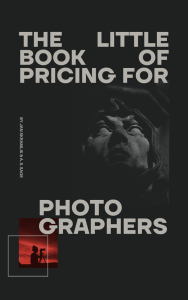
Want to dive deeper into pricing strategies? Check out The Little Book of Pricing, our workbook packed with tips, real-world examples, and practical advice to help you price your photography with confidence.